Medical Glossary - Letter H
This medical glossary of terms beginning with the letter "H" contains the more common medical terms one might expect to encounter in a medical report or in hospital notes. The glossary is intended as a quick reference only; many of the terms are also referenced and illustrated in more detail in the medical libraries, to which you should refer for more detailed information.
Haemarthrosis
A collection of blood within a joint cavity
Hematoma
A localized collection of blood
Hemodialysis
Hemodialysis is a mechanical method of detoxifying the blood using an artificial kidney to purify the blood. It is used in cases of acute and chronic kidney disease or trauma
Hemorrhage
Profuse bleeding
Hemostasis
To arrest or stop bleeding
Halitosis
Bad breath
Hallux
The big toe
Hallux Malleus
Hammertoe, a deformity of a toe at the proximal interphalangeal joint
Hallux Valgus
A deformity of the big toe seen as the big toe being bent towards the adjacent toes
Hallux Varus
A deformity of the big toe seen as the big toe being bent away from the adjacent toes
Halo Traction
Traction involving the use of a metal ring with adjustable screws which is attached to the cranium used in the treatment of neck fractures or dislocations
Hamate Bone
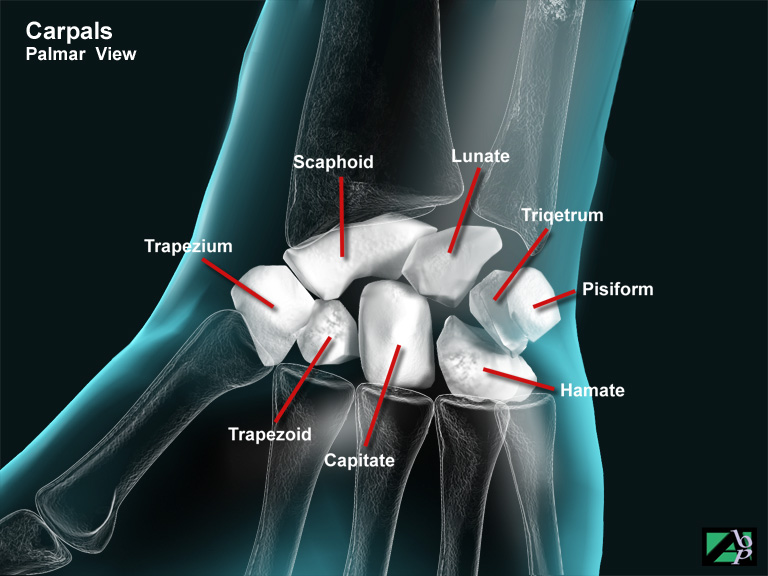
One of the bones of the wrist, a carpal bone, it is the smallest of the distal carpal bones with a hook-like prominence on its palmar surface. This hook of the hamate is firmly attached to multiple ligaments. It has connections with the capitate and lunate
Hamstring
Tendons at the back of the knee. Refers to the one or all of the tendons of the biceps femoris muscle, semitendinosus muscle and semimembranosus muscle
Hard Palate
The hard bony part of the roof of the mouth, the front part of the roof of the mouth towards the upper teeth
Harrington Rod
An internal fixation device inserted into the spine. It may be used in cases of unstable fractures or to correct spinal deformities
Head Halter
A device used for cervical traction. It comprises a series of straps, one to go under the chin and the other to go around the back of the head
Hematuria
Blood in the urine
Hemicolectomy
Hemicolectomy, or colectomy is the surgical removal of half of the colon (part of the large intestine)
Hemilaminectomy
Removal of portion of a lamina of a vertebra
Hemipelvectomy
The amputation of the entire leg along with half of the pelvis on the same side
Hemiplegia
Paralysis affecting one side of the body
Hemothorax
Blood in the pleural space i.e., between the lungs and the chest wall
Heparin
An anticoagulant, a blood-thinning agent, used to prevent or reduce the risk of arterial embolism (blood clotting)
Hepatic
Relating to the liver
Hepatic Artery
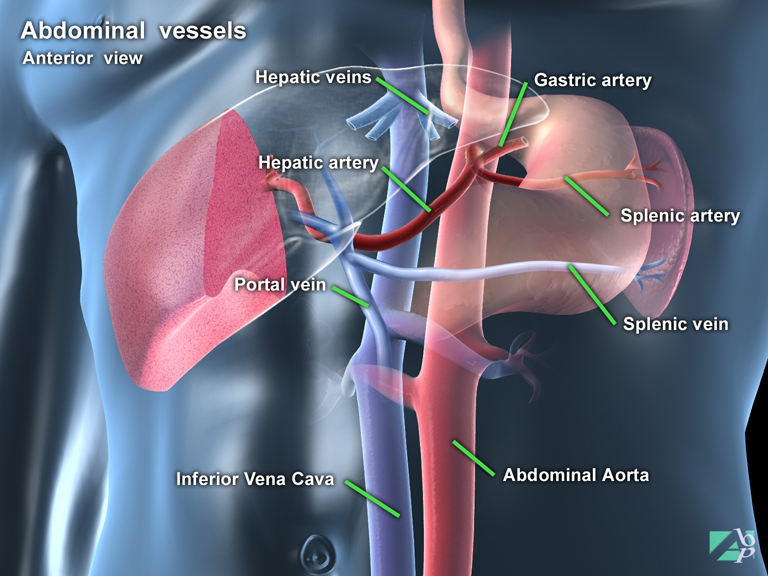
An abdominal artery supplying blood to the stomach, small intestine and liver
Hepatic Duct
A duct (canal) that transports bile from the liver to the small intestine
Hernia
An abnormal protrusion of an organ or tissue through a surrounding wall, occurring most frequently in the abdominal and groin regions
Herniated Disc
A protrusion of the nucleus pulposus from an intervertebral disc
Heterogenous
From a different species. The term generally applies to a skin graft
Heterograft
A graft taken from another species. The term generally applies to a skin graft
Hiatus Hernia
A hernia through the diaphragm, the muscular partition between the chest and the abdomen. The herniated tissue is usually from the stomach
High Velocity Manipulation
A type of osteopathic manipulation
Hind foot
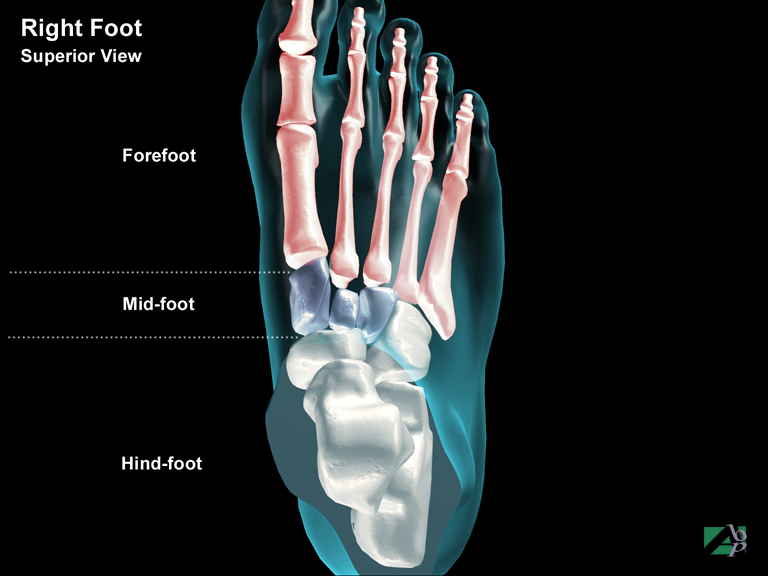
The back part of the foot formed by the calcaneus and talus bones
Hip
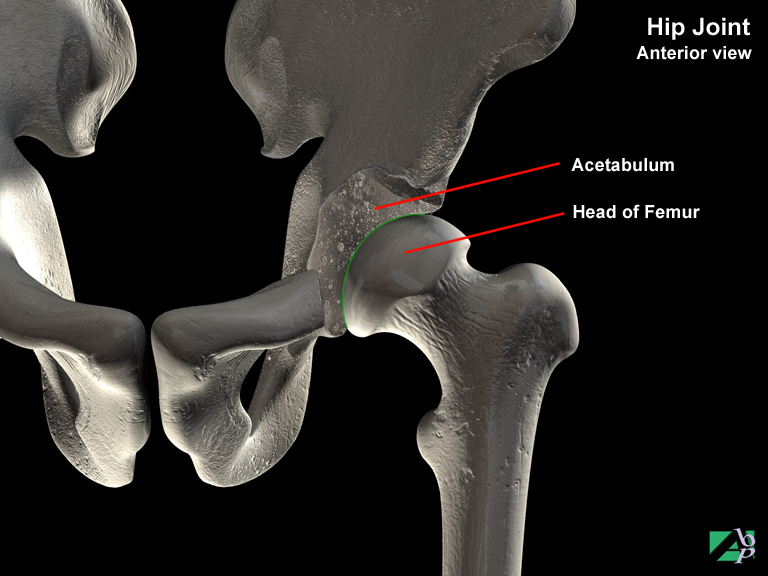
The articulation between the acetabulum, a depression in the pelvis and the head of the femur, the thigh bone
Hippocampus
A protrusion from the floor of a chamber of the brain
Histrionic
Describes an individual who tends to be dramatic and who uses exaggerated gestures
Homograft
A skin graft where the tissue is taken from a donor of the same species. Also known as an allograft
Humeroradial
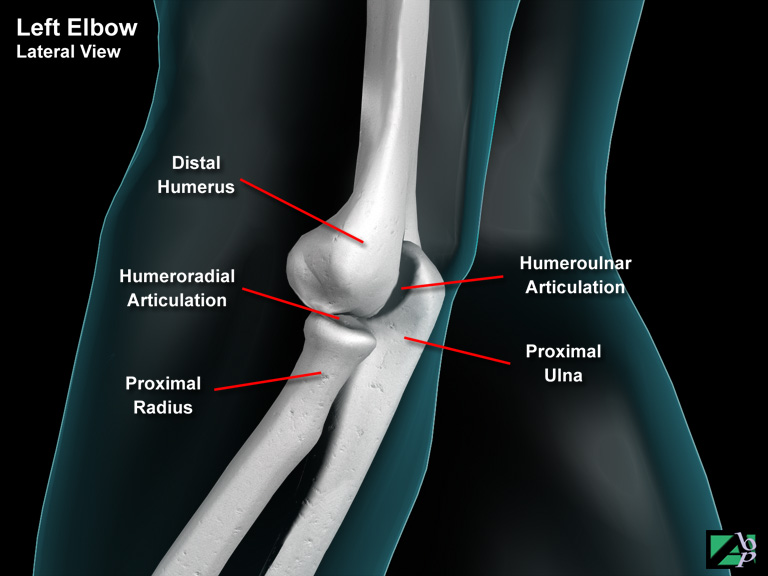
Relating to the humerus and the radius, the elbow area where the distal humerus articulates with the radius
Humeroscapula
Relating to the humerus and the scapula, the shoulder area where the proximal end of the humerus articulates with the scapula
Humeroulnar
Relating to the humerus and the ulna bone, the elbow area where the ulna articulates with the distal portion of the humerus
Humerus
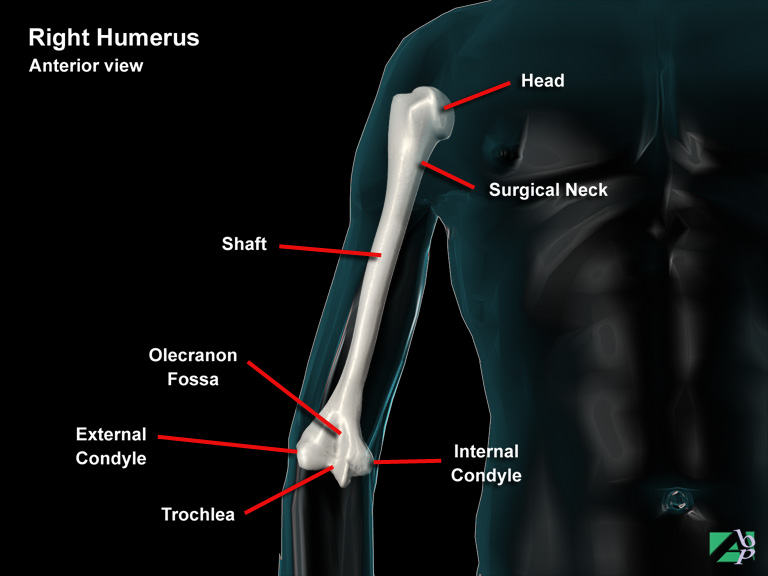
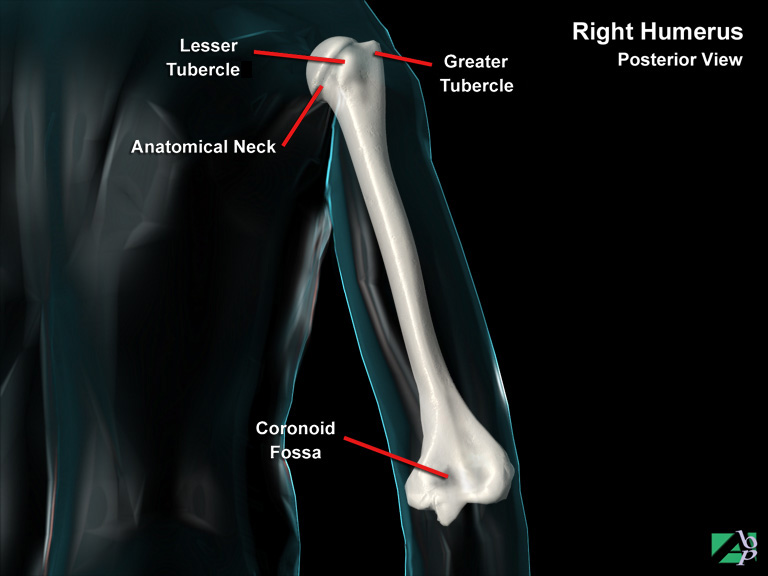
The bone of the upper arm. It comprises a proximal end, a shaft and a distal end. The proximal end of the humerus is made up of a head, which is ball shaped and which is surrounded by a slightly indented groove referred to as the anatomical neck. Below the anatomical neck are two bony protuberances called the greater tubercule and lesser tubercule. The growth centers (epiphysis) are located in the tubercules (and also the head). A tapered upper end of the shaft where it meets the head is referred to as the surgical neck. The shaft is round in shape and is the attachment point for major muscles including the deltoid, biceps brachii and brachialis anticus muscles and triceps brachii muscles. The distal humerus ends in two rounded eminences called condyles, which receive the head of the radius and the upper end of the ulna. The condyle that connects with the radius is called the capitulum. The condyle that connects with the ulna is named the trochlea. On either side of the capitulum and trochlea are two projections called epicondyles (medial and lateral). The medial epicondyle protects the ulna nerve as it courses down the arm. Two depressions above the trochlea and capitulum called the coronoid fossa and olecranon fossa receive parts of the ulna during forearm movement
Hydrarthrosis
A collection of fluid within a joint
Hydrocele
An abnormal collection of fluid in the scrotum
Hydrocephalus
An abnormal increase of cerebrospinal fluid in or around the brain
Hyoid Bone
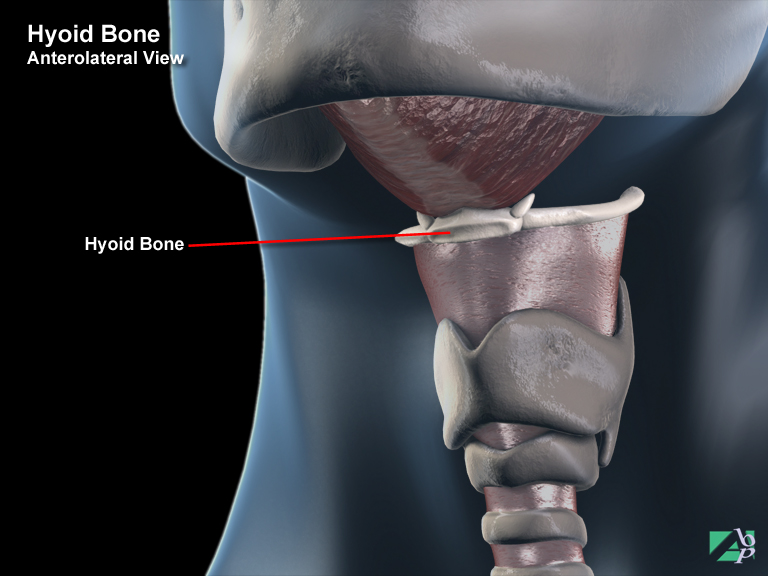
A small bone in the neck, which serves as an attachment point for muscles and to support the tongue
Hyperbaric Oxygen
Oxygen being given under pressure greater than normal atmospheric pressure, it is usually given in a hyperbaric chamber, a form of treatment for decompression sickness
Hyperextension
Over extension of a limb, or body part, the term is often used to describe the mechanics of a soft tissue neck injury (whiplash) suffered in a motor vehicle accident
Hyperglycemia
Excessive sugar in the blood as seen in diabetes, high blood sugar
Hyperopia
Far sightedness
Hypertrophy
An abnormal enlargement of a body part or organ
Hyperventilation
Abnormal rapid and deep breathing causing faintness, tightness in the chest, palpitations and other abnormal symptoms
Hypervolemia
Describes a condition in which there is an excessive amount of blood in the body
Hypodermis
The deepest layer of the skin, the hypodermis or subcutaneous layer binds the dermis to underlying organs and structures. This layer is comprised mainly of loose fibrous connective tissue interlaced with blood vessels
Hypogastric Artery
This is an artery of the pelvis and is a branch of the common iliac artery. It supplies blood to the pelvic organs, buttock, genitalia and anus
Hypogastric Region of Abdomen
A region of the abdomen. The hypogastric region contains the bladder, some of the small intestine and the sigmoid colon. It describes the location of the lower center one third of the abdomen
Hypoglycemia
Hypoglycemia is a condition in which the amount of sugar in the bloodstream is below normal. It can result due to an excess of insulin, infection, irregular eating and exercise. Trauma can induce a hypoglycemic episode. Treatment is the administration of glucose
Hypothalamus
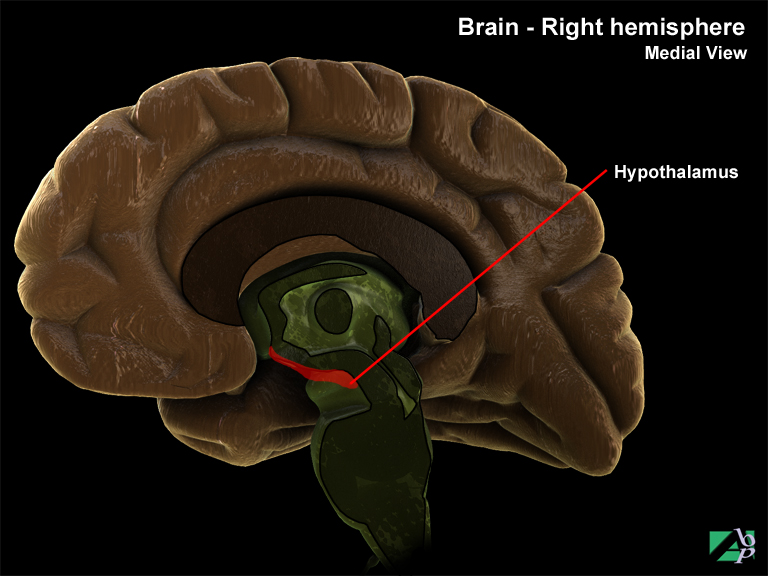
The hypothalamus is a small portion of the diencephalon (part of the brain situated between and below the cerebral hemispheres and above the medulla oblongata and the cerebellum). It is connected with the pituitary gland that hangs below it in the sella turcica (cavity in the base of the skull) by means of a narrow stalk called the infundibulum. The hypothalamus has many vital functions. It activates and controls the autonomic nervous system. It regulates body temperature, body fluid balance, sleep, perspiration, sexual activity and the development of secondary sex characteristics and emotional control. It has also been shown to be involved in the regulation of food intake
Hypothenar
Refers to part of the hand, the fleshy part of the palm on the same side as the little finger
Hypoxemia
Insufficient oxygen in the blood