Medical Glossary - Letter B
This is a medical glossary of terms beginning with the letter "B" containing only the more common medical terms one might expect to encounter in a medical report or in hospital notes. The glossary is intended as a quick reference only; many of the terms are also referenced and illustrated in more detail in the medical libraries, to which you should refer for more detailed information.
Babinski's Sign
A test used to determine neurological damages following a head injury. When the sole of the foot is stroked, normally the toe reflex would be to flex (bend downwards), if there is neurological damage the big toe will extend upwards
Baker's Cyst
A cyst filled with synovial fluid, also known as a popliteal cyst. It can be caused by a number of conditions e.g., irritation of a bursa, cartilage tears or by osteoarthritis within the joint. Symptoms include swelling behind the knee, pain and difficulty straightening the leg
Banjo Splint
A splint used in the treatment of fractures of the fingers
Barbiturate
A form of medicine derived from barbituric acid used as a sedative
Barium Enema
An x-ray of the large bowel (colon) following an injection of barium sulphate, an opaque substance, which allows for better visualization of the colon
Barium Meal
An x-ray examination of the gastrointestinal tract taken after the patient swallows barium sulphate, which is an opaque substance that allows for better visualization of the gastrointestinal tract
Barium Swallow
A barium swallow is an x-ray of the duodenum and the stomach after the ingestion of barium sulphate, which is an opaque contrast material. It is the same as an upper gastrointestinal series, or upper G.I. series
Barotrauma
Inflammation of the eardrum caused by a sudden change in atmospheric pressure
Barton's Fracture
This is actually a fracture dislocation of the radiocarpal joint. In this injury a fracture fragment of the distal radius at the radiocarpal joint causes the carpal bones to displace upwards and backwards
Basal Ganglia
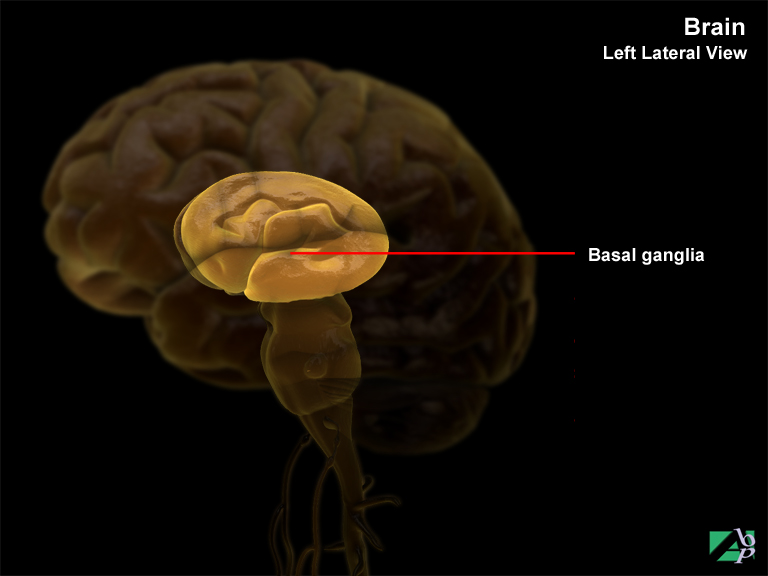
The basal ganglia are specialized paired masses of grey matter located deep within the white matter of the cerebrum. The most prominent of the basal ganglia is the corpus striatum. The corpus striatum is composed of several masses of nuclei. The caudate nucleus is the upper mass. A thick band of white matter lies between the caudate nucleus and the next lower two masses which is called the lentiform nucleus. This consists of a lateral portion named the putamen and a medial portion called the globus pallidus. The basal ganglia control unconscious contractions of certain skeletal muscles such as those of the upper extremities involved in involuntary arm movements during walking. The globus pallidus regulates the muscle tone necessary for specific intentional body movements. Trauma or disease involving the basal ganglia generally causes a variety of motor movement dysfunction including rigidity, tremor and rapid and aimless movements
Basilar Fracture
A fracture of the base of the skull, the base of the skull is made up of the basal portion of the frontal bone, the ethmoid, the sphenoid and the basal portion of the occipital bone
Bell's Palsy
Facial paralysis due to a disorder or injury to the facial nerve
Belly
A term usually used in reference to the thickest part of a muscle
Benign
Not harmful
Bennett's Fracture
This is an oblique fracture dislocation of the base of the thumb and is an intraarticular fracture extending into the carpometacarpal joint. It is an unstable fracture. Fracture fragments are avulsed by the pull of the abductor pollicis tendon and adductor pollicis muscle
Beta Waves
A type of brain wave pattern as seen in tracings of the brain's electric activity. There are four types of brain wave patterns, alpha waves, beta waves, theta waves and delta waves
Biceps Brachii
A muscle of the upper arm. It has two heads that originate from the shoulder area, one originates from the tubercle of the scapula and the other from the coracoid process of the scapula, the muscle inserts into the tuberosity of the radius, just below the elbow. The musculocutaneous nerve innervates it. The biceps brachii allows for supination (rotation) of the forearm, and flexion of the elbow, it also provides some assistance in flexion of the shoulder
Biceps Femoris
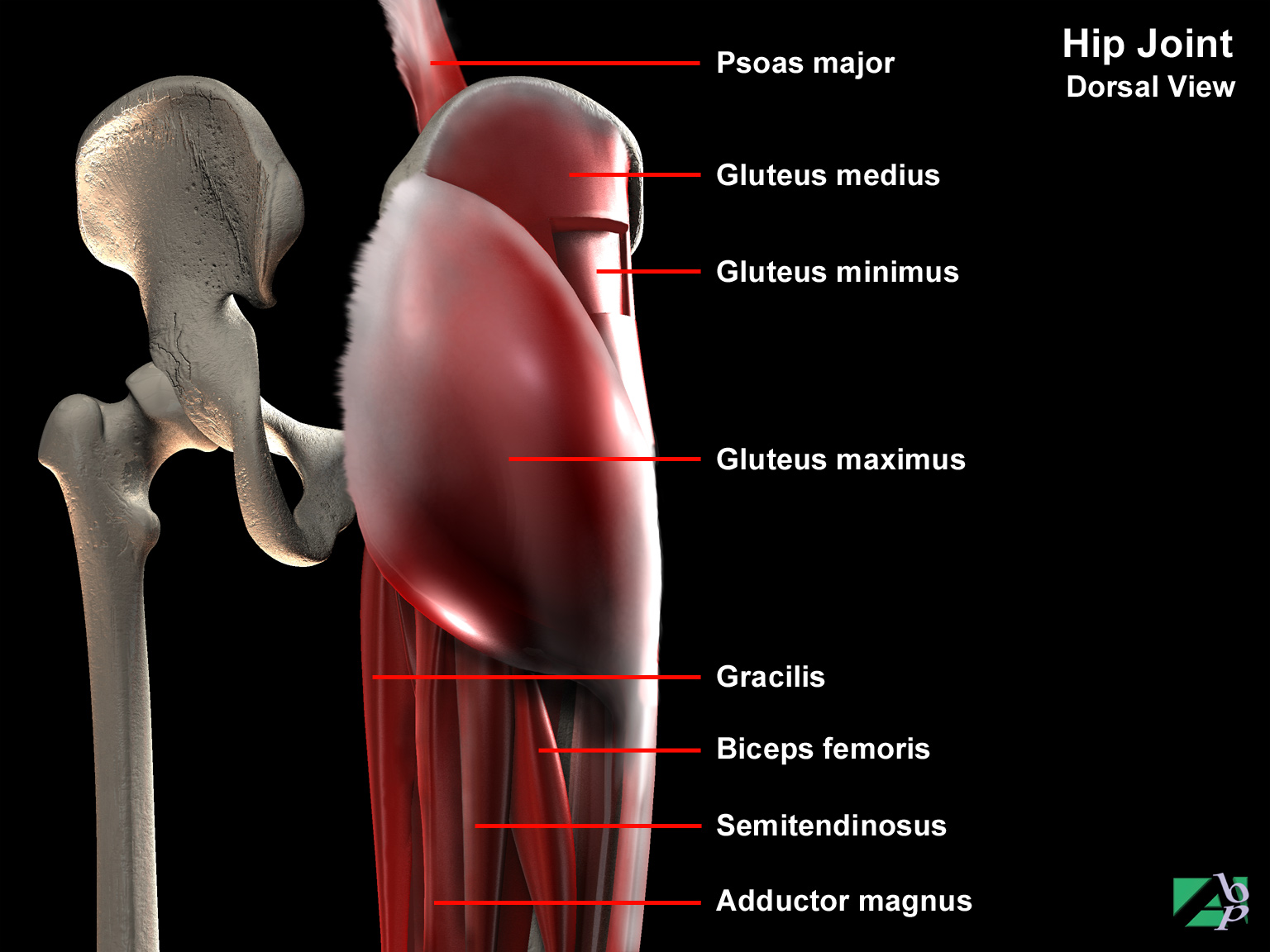
A muscle at the back of the thigh, it originates from the pelvis and upper part of the femur and attaches to the tibia and fibula. It allows extension of the thigh and flexion of the leg at the knee. The sciatic nerve and the common peroneal nerve innervate it
Bicipital Tenosynovitis
Bicipital tenosynovitis or bicipital tendinitis is inflammation of the biceps tendon at its point of attachment in the shoulder girdle. The tendon runs through a groove known as the bicipital groove, which is in the humeral head and it is at this point that the inflammation occurs
Bifurcation
Divided into two branches, e.g., the bronchus
Bilateral
Pertaining to two or both sides, as distinct from unilateral meaning affecting one side
Bile
A fluid produced by the liver containing salts, cholesterol and other molecules. Bile is secreted from the liver into the small intestine, it aids in digestion of fat
Bile Duct
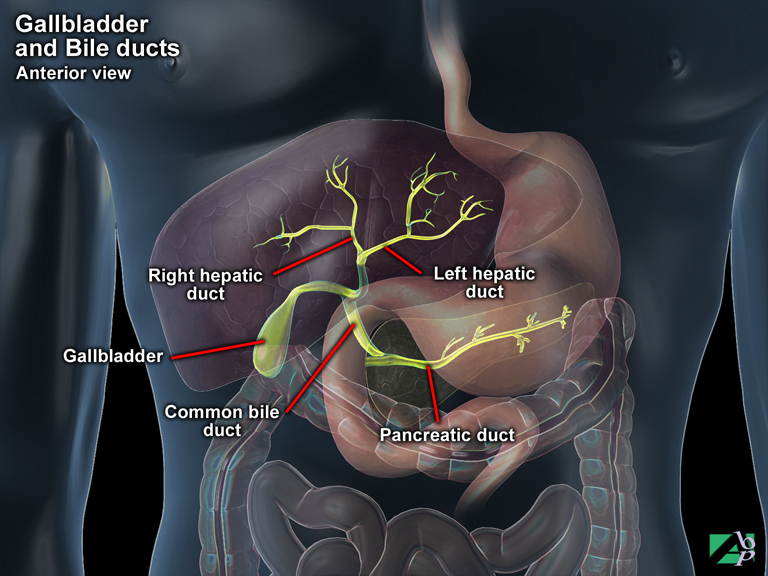
A tube that carries bile from the liver and gallbladder
Bilirubin
Bile pigmentation
Bimalleolar Fracture
Referring to both the medial and lateral malleolus. A term used to describe a type of ankle fracture in which both lateral and medial malleolus are fractured. The medial malleolus is the distal portion of the tibia; the lateral malleolus is the distal portion of the fibula.
Binocular
Relating to both eyes, or vision in both eyes
Bivalve
To split a fracture cast into two parts
Blepharitis
Inflammation of an eyelid
Blepharoptosis
Blepharoptosis is drooping of the upper eyelid. It can be congenital or acquired
Blepharorrhaphy
Blepharorrhaphy is the surgical repair of a laceration to the eyelid
Blood-Brain-Barrier
A mechanism of the body that prevents certain substances of the blood from penetrating into brain tissue and cerebrospinal fluid
Blow-out Fracture
A fracture of the orbit
Bone Distraction
An orthopaedic procedure to correct limb shortening. The bone is cut via an osteotomy and an external fixator is applied to keep the bone ends apart while new bone formation bridges the gap. Distraction procedures are usually done in stages and can involve as many as three distraction procedures to achieve equal limb length
Bone Graft
A bone graft is a piece of bone taken from the patient or from a donor used to repair a defect in a bone or more often to affect bony union when a fracture fails to unite
Bone Growth Stimulator
Bone growth stimulators are used for problems with delayed or non-union of fractures. They are devices that discharge a mild electrical current that stimulates new bone growth. They may be fitted onto the skin or under the skin
Boston Brace
A surgical brace often used to correct deformities of the lower spine. It is a rigid padded body brace extending from the pelvis to the thorax
Boutonniere Deformity
This describes a flexion deformity of the proximal interphalangeal joint. It is caused by injury to the extensor tendon at the level of the proximal interphalangeal joint, causing an imbalance of the flexion and extension forces on the finger. This results in acute flexion deformity at the proximal joint and an extension deformity at the distal joint. This is one of the more serious tendon injuries to the fingers as it significantly interferes with the hand's ability to grasp objects
Brachial Artery
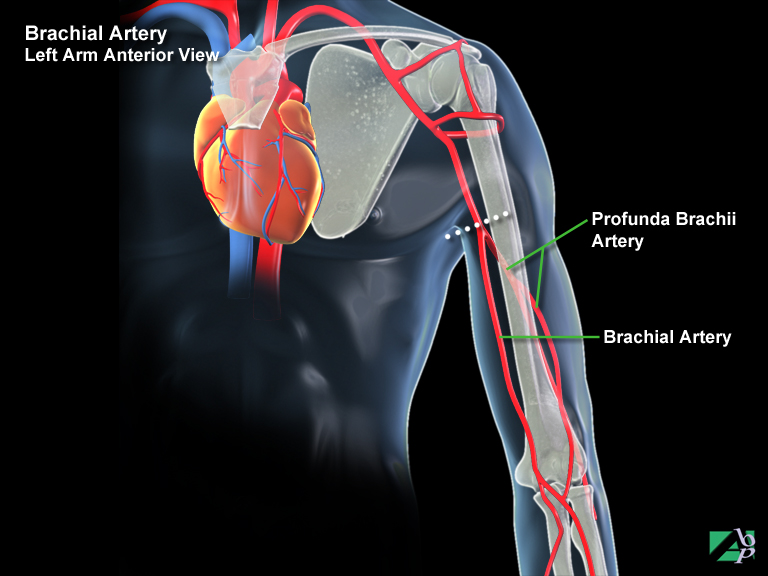
An artery of the upper extremity, it is a continuation of the axillary artery where it enters the arm. It consists of a main trunk and three branches. It supplies blood to the humerus and muscles of the upper arm, and the elbow. The brachial artery ends just below the elbow where it divides into the radial and ulna arteries
Brachial Plexus
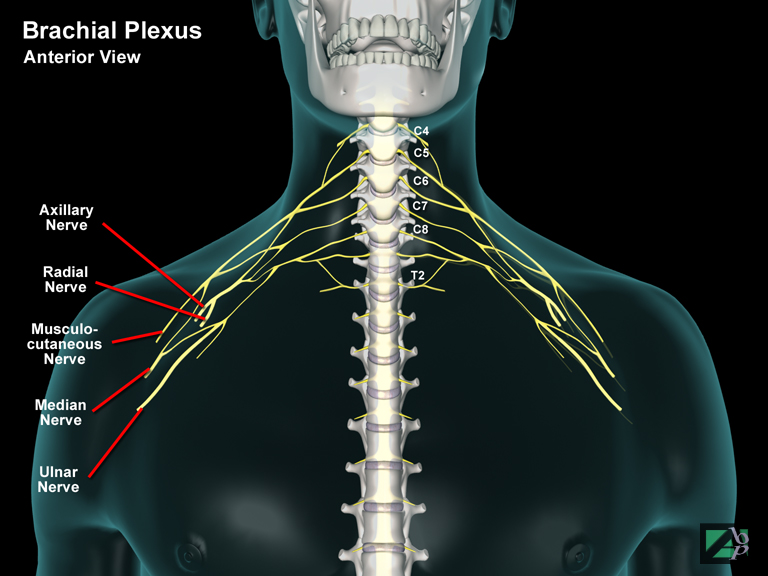
The brachial plexus (there are two) are located either side of the last four cervical vertebrae and are formed by nerve fibers from spinal nerves of C5 through T1 and some fibers from C4 and T2. Structurally, the plexus is divided into roots, trunks, divisions and cords. The roots are merely continuations of the rami of the cervical spinal nerve roots which converge to become an upper, middle and lower trunk that then divide into an anterior and posterior division and finally into three cords (posterior, medial and lateral) from which the peripheral nerves form. The posterior cord forms the axillary, radial and subscapular nerves. The medial cord becomes the ulnar nerve and the medial root of the median nerve. The lateral cord becomes the musculocutaneous nerve and the lateral root of the median nerve
Brachial Vein
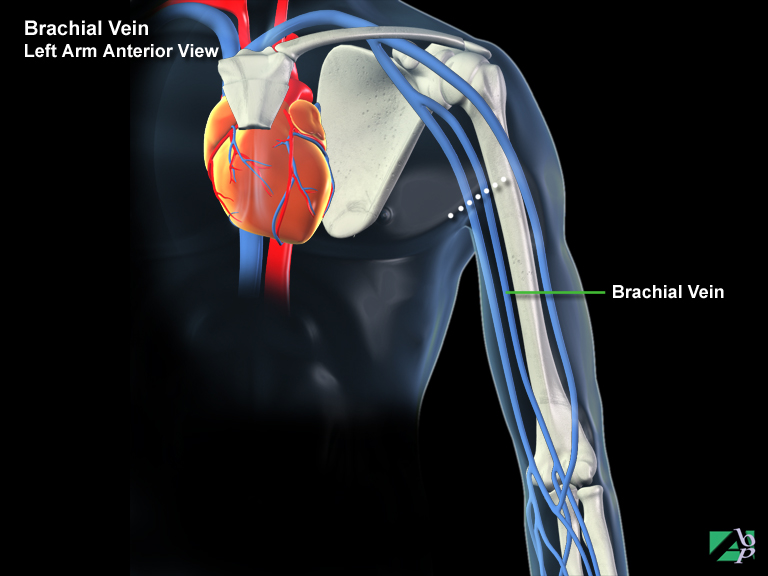
The brachial vein is a vein in the upper arm; it ascends from the elbow up the upper arm where it becomes the axillary vein
Brachialis
A muscle located in the lower part of the upper arm. It originates from the lower end of the humerus near the elbow and inserts onto the coronoid process and tuberosity of the proximal radius. It assists flexion of the elbow. The musculocutaneous nerve and some fibers of the radial nerve innervate it
Brachioradialis
A muscle located on the lateral (outside) surface of the arm. It originates from the distal part of the humerus and extends down the forearm and inserts onto the styloid process of the radius at the wrist. It provides flexion of the elbow. The radial nerve innervates it
Brain Contusion
A bruise involving the neural tissue of the brain
Brain Stem
Portion of the brain comprising the medulla oblongata, pons and midbrain. The name pons is derived from the Latin word "pons" meaning "bridge". It is the crossover point for ascending sensory and descending motor tracts linking higher and lower centers, and for transverse fiber pathways entering and leaving the cerebellum on each side. Its significance lies in the fact three cranial nerves arise from it and along with the medulla oblongata it regulates the rate and depth of breathing. The three nerves are the sixth cranial (abducens), seventh cranial (facial) and the eighth cranial (vestibuloocular). The medulla oblongata or, as it is more often called, the medulla is a bulbous structure that resembles the spinal cord that is continuous with the pons above and the spinal cord below. The medulla comprises vital nuclei and white matter that form the descending and ascending communication tracts between the spinal cord and the brain. Various cranial nerves arise from the medulla, including the glossopharyngeal, accessory, hypoglossal and vagus. Other nuclei within the medulla function as autonomic centers for controlling vital visceral functions including heartbeat, arterial blood pressure and rate and depth of breathing
Brain Waves
Brain waves are patterns of the brain's electric activity. There are four types of brain wave patterns, alpha waves, beta waves, theta waves and delta waves
Breathing Exercise
Breathing exercises are a form of chest physical therapy performed by the individual on instruction from a nurse or physiotherapist. Exercises include diaphragmatic exercises, rhythm breathing and coughing techniques
Broca's Area
An area of the brain known as the motor speech area
Bronchiole
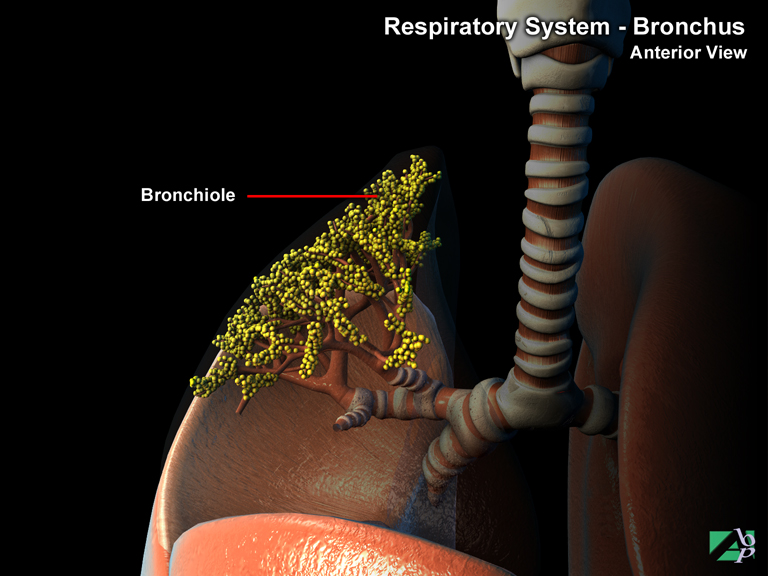
A smaller branch of the bronchus found within the lungs
Bronchiolitis Obliterans
Bronchiolitis Obliterans is a specific reaction of lung tissue to a variety of injuries. The lungs show a pattern of patchy pneumonia. The incidence is uncommon. It sometimes occurs as a reaction to the inhalation of toxic elements. Most cases present with a flu-like illness that lasts 4 to10 weeks or longer. Symptoms include fever, dry cough, weight loss, dyspnea (shortness of breath), crackles and fatigue
Bronchitis
Bronchitis is inflammation of the membrane that lines the bronchial tubes, which are divisions of the trachea
Bronchodilator
A substance that causes dilation (widening) of the bronchial tubes
Bronchus
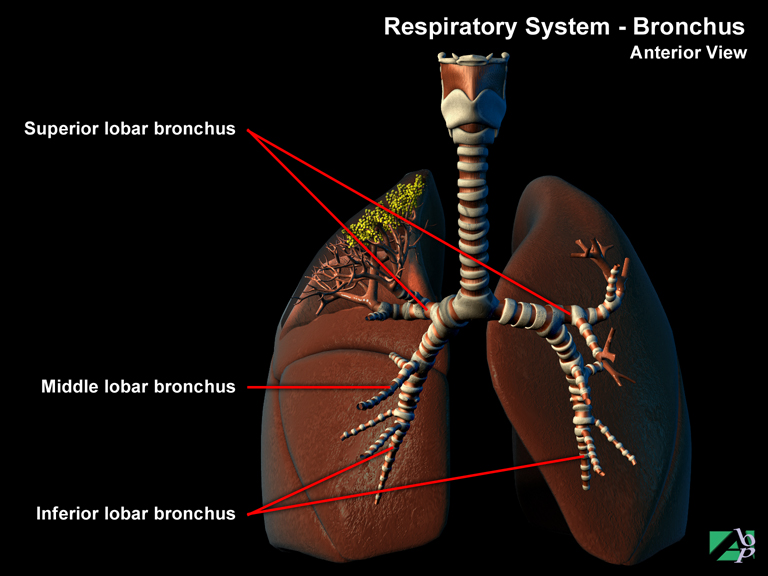
A branch of the trachea that extends into the lungs (there are two, one for each lung). The bronchus forms part of what is referred to as the respiratory tree, which is composed of many tubes that branch into the lung, the bronchus are the largest and foremost of these branches. The left and right bronchi branch off from the trachea at a level with the sternum. As the bronchus probe deeper into the lungs they form secondary and segmental bronchi, which continue to divide and form smaller branches called bronchioles. The end (terminal) bronchioles then branch into alveolar ducts, which lead directly into the alveolar sacs and alveoli of the lungs, which are the functional units of the lungs where gas exchange occurs
Bruxism
Teeth grinding
Bryant's Traction
A form of traction used generally for the treatment of femoral fractures in children. It involves suspending the infants legs from a suspension apparatus attached to an overhead frame
Buccal
Pertains to the cheek area
Buccinator
A facial muscle, which assists in mastication (chewing of food) and closing the jaw. It is innervated by the facial nerve
Buccolingual
Pertains to the cheek and tongue
Buck's Traction
A type of skin traction used for fractures of the lower extremity
Bursa
A sac like pouch that contains synovial fluid. They are found within joints
Bursectomy
Bursectomy is the surgical excision (removal) of a bursa. The knee, elbow and shoulder will be the bursa sites most often involved
Bursitis
Bursitis is inflammation of a bursa, which is a fluid filled sac. Bursae are located throughout the limbs, most notably over bony prominences. They act as cushions and also provide lubrication for tendons and muscles that move over them. Bursitis most commonly affects the shoulder, knee (pre-patella bursitis) and elbow (olecranon bursitis). Bursitis has various causes. It may result from over-use, from constant pressure on the bursa (as in kneeling, or leaning on the point of the elbow), infection and irritation from calcium deposits, gout and rheumatoid arthritis or from other systemic diseases
Bursotomy
Bursotomy is the surgical cutting or incision of a bursa (fluid filled sac)
Burst Fracture
A fracture in which the bone is fragmented into many pieces, it is sometimes used to describe a fracture of a vertebra