Medical Glossary - Letter G
This medical glossary of terms beginning with the letter "G" contains the more common medical terms one might expect to encounter in a medical report or in hospital notes. The glossary is intended as a quick reference only; many of the terms are also referenced and illustrated in more detail in the medical libraries, to which you should refer for more detailed information.
Gag Reflex
A reaction to touching the back of the throat, causing an uncontrollable contraction of the throat muscles resulting in retching and an urge to vomit
Gait
The term gait refers to the manner in which someone walks; it is frequently used to describe an abnormal fashion of walking e.g., a stepping gait, or a high stepping gait
Galeazzi Fracture
A fracture dislocation involving a fracture of the distal (wrist end) radius and a dislocation of the head of the ulna
Gallbladder
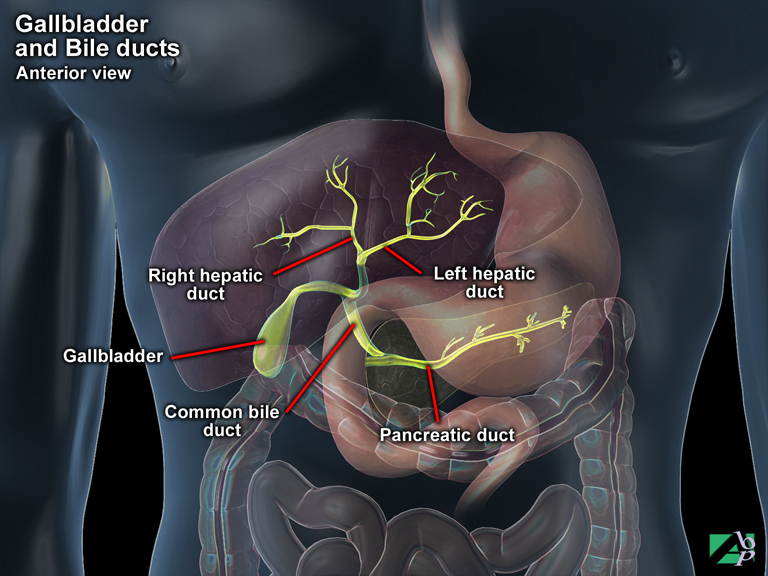
The gallbladder is a pear shaped sac that is attached to the underside of the right lobe of the liver. It is the reservoir for bile produced by the liver
Ganglion
The term may mean either a collection of nerve cells or describe a kind of cyst that occurs on the back of the hand
Gangrene
Tissue death; usually due to vascular insufficiency. There are several types including dry gangrene and gas gangrene
Gastrectomy
An operation for removal of part or all of the stomach
Gastric Artery
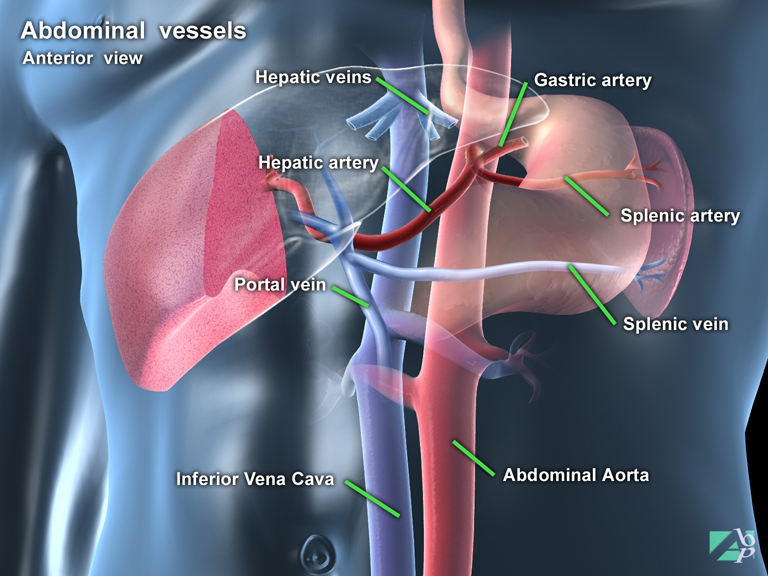
An abdominal artery. There are two gastric arteries. The right gastric artery originates from the hepatic artery, the left from the celiac artery. They supply blood to the stomach and the esophagus
Gastric Lavage
Gastric lavage is a procedure used to empty the stomach of its contents. A flexible rubber tube containing a salt solution is inserted through the mouth and into the stomach and the contents are then suctioned out. It may be referred to as a stomach pump. The procedure is usually performed on patients who have ingested a toxic substance
Gastrocnemius
One of the calf muscles, it extends from the back of the thigh to the Achilles tendon. It functions to assist in flexing the leg at the knee and to assist plantar flexion of the foot
Gastrointestinal Tract
This describes the stomach and small and large intestines
Gastrostomy
A gastrostomy is a surgical incision into the abdomen to create an opening to place a feeding tube (a gastrostomy tube). It is usually performed because of inability to swallow due to some lesion of the esophagus (gullet) and is an alternative to nasogastric feeding. Gastrostomy may be done by open surgery or percutaneously. In the case of the latter it is called a percutaneous endoscopic gastrostomy. An incision is still made into the abdomen but it is small compared to the open surgery gastrostomy
Gemellus Inferior
A muscle originating from the ischial tuberosity of the pelvis, which inserts onto the greater trochanter of the femur. It provides lateral rotation of the hip and helps stabilize the hip
Gemellus Superior
A muscle originating from the spine of the ischium of the pelvis and inserting onto the greater trochanter of the femur. It provides lateral rotation of the hip and helps stabilize the hip
Genioglossus Muscle
A muscle with one end attached to the tongue and the other to the mandible. Its function is to assist in moving the tongue
Geniohyoid Muscle
A muscle located between the mandible and the hyoid bone in the neck that acts to depress the jaw
Genitofemoral Nerve
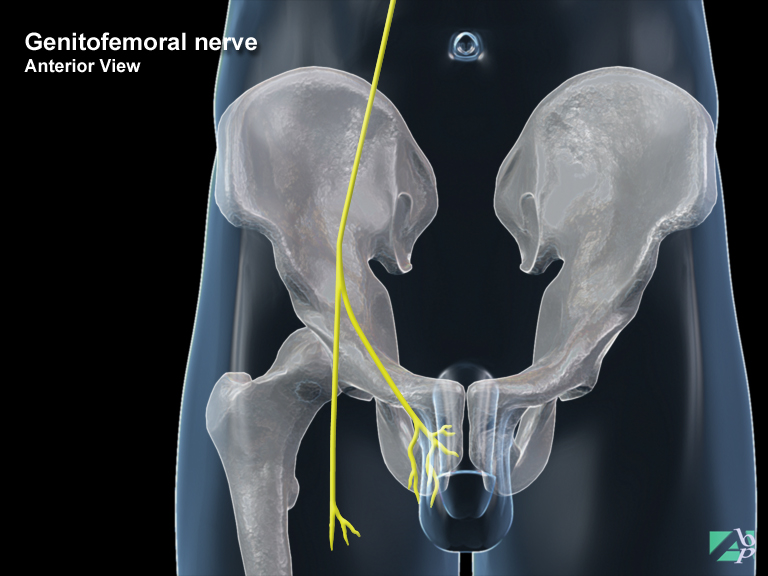
The genitofemoral nerve is a sensory nerve that provides sensation to the skin of the scrotum in males and labia majora in the female. It also provides sensation to the front of the thigh
Genu Valgum
Knock-kneed
Genu Varum
Bow-legged
Gingiva
The gums, the soft tissue that covers the upper and lower jawbone
Gingivitis
Inflammation of the gums
Gingivoplasty
Gingivoplasty, or gingivectomy is a surgical procedure to reshape or repair the gum (gingiva)
Glabella
The area of the frontal bone between the eyes and above the nose
Glaucoma
An eye disease caused by increased intra-ocular pressure. If not relieved it results in destruction of the retina and blindness in the affected eye
Glenohumeral Joint
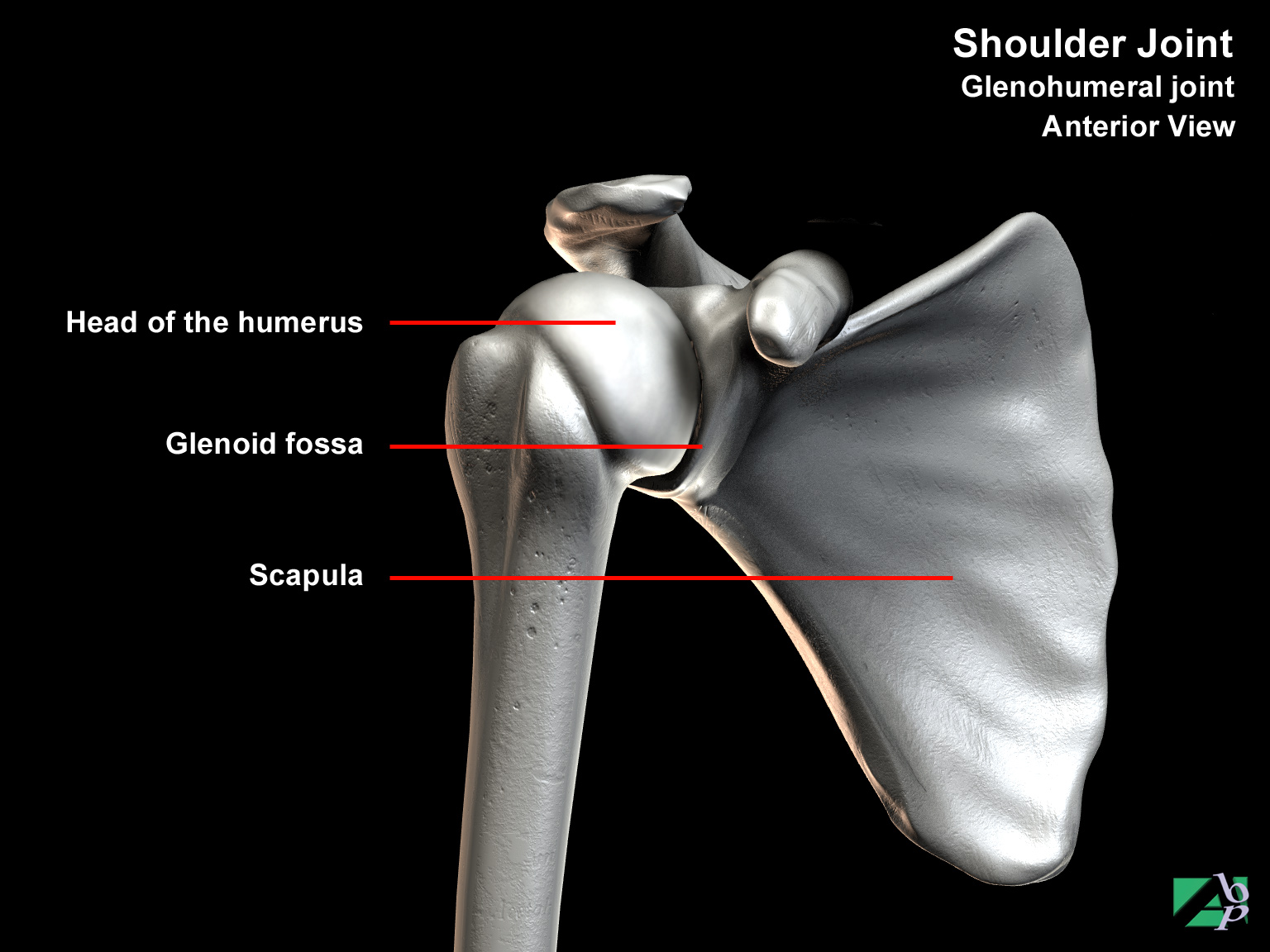
Relates to the glenoid cavity of the scapula and the humerus, it is the true shoulder joint
Glenohumeral Ligament
A shoulder ligament, it helps support the shoulder
Glenoid Cavity
This refers to a depression in the scapula, which receives the head of the humerus, thus forming the shoulder joint
Glenoid Fossa
Part of the temporal bone of the skull, it is a depression in the inner surface of the bone. The mandibular condyle fits into the fossa forming the temporomandibular joint
Globus Pallidus
Part of the basil ganglia, which lies within the cerebrum. The globus pallidus regulates the muscle tone necessary for specific intentional body movements
Glossopharyngeal
Relating to the tongue and the pharynx
Glottis
Part of the larynx, it is the "voice producing" structure of the larynx
Gluteus Maximus
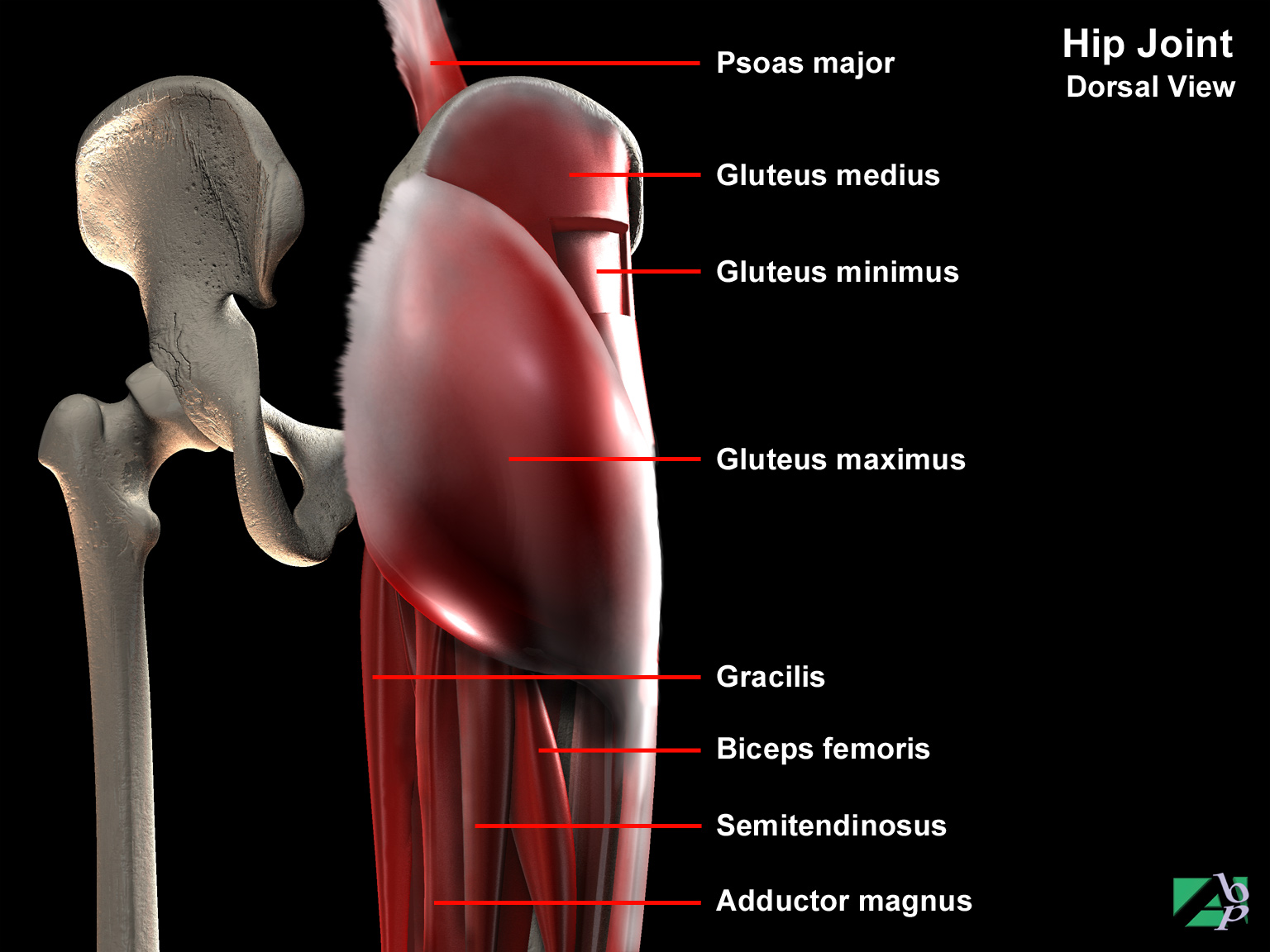
The largest of three muscles that form the buttocks, it is the most superficial of the three. It aids extension and abduction of the thigh
Gluteus Medius
One of three muscles lying beneath the gluteus maximus that form the buttock. It aids abduction and rotation of the thigh
Gluteus Minimus
The deepest of three muscles that form the buttock. It aids in abduction and rotation of the thigh
Goitre
Swelling of the thyroid gland, often due to the gland being overactive
Gonad
In the male, the testicle, in the female the ovary
Gout
An excess of uric acid in the blood
Gracilis Muscle
A muscle located on the inner side of the thigh. It serves to adduct the thigh and to flex the knee
Grand Mal
A type pf epileptic seizure manifested by loss of consciousness and convulsions
Granulation
An early stage of wound healing
Great Saphenous Vein
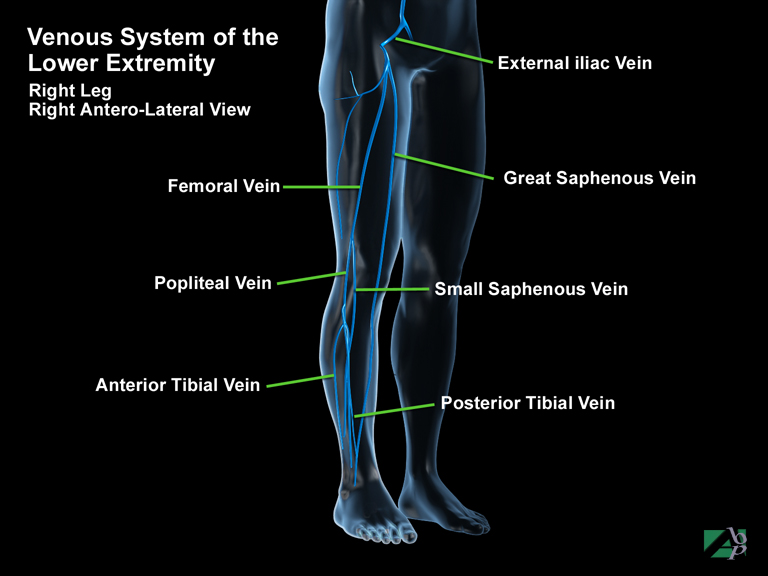
The great saphenous vein commences in the arch of the foot and ascends along the inside of the leg to the thigh where it drains into the femoral vein
Greenstick Fracture
An incomplete fracture that occurs in children
Growth Cartilage
A layer of cartilage located between the shaft of a long bone and its epiphysis (its end). This site is where growth of long bones occurs. It is also known as the epiphyseal plate
Gut
Refers to the small or large intestine